Leaky Pipe Repair in Denver, CO
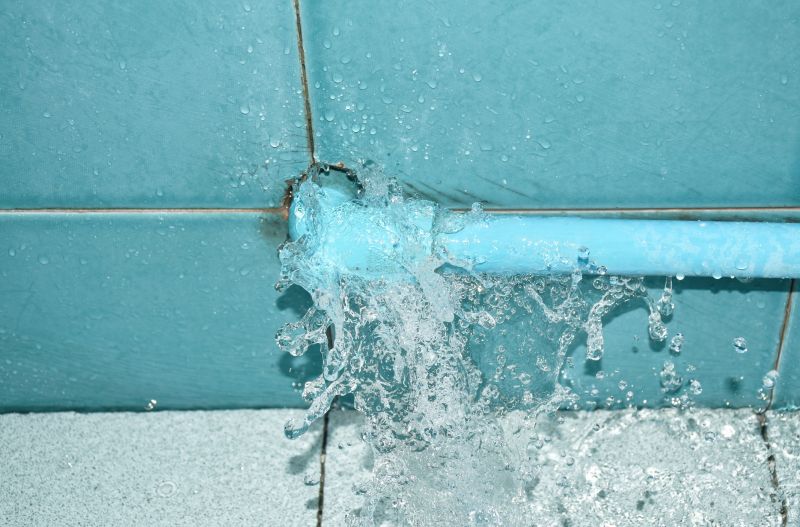
Leaky pipe repair services address issues related to damaged or compromised plumbing pipes within a property. These services cover a range of projects, including fixing leaks caused by corrosion, cracks, or loose fittings, as well as repairing burst or frozen pipes. Homeowners often seek this service to prevent water damage, reduce water waste, and restore proper plumbing function. Understanding the location of the leak, the extent of the damage, and the type of pipe material involved can help property owners make informed decisions before requesting repairs.
Before requesting leaky pipe repair, property owners typically want to know how the issue was identified, whether the repair involves replacing sections of pipe or sealing leaks, and if the work will affect other plumbing components. It’s also helpful to understand the potential causes of the leak, such as shifting foundations or high water pressure, to prevent future problems. Clear communication about the scope of the repair and any necessary follow-up steps can ensure the property’s plumbing system remains reliable and efficient.
Many property owners in Denver, CO look into Leaky Pipe Repair for repairs, replacements, upgrades, and appearance-related improvements.
Signs Of A Leaky Pipe
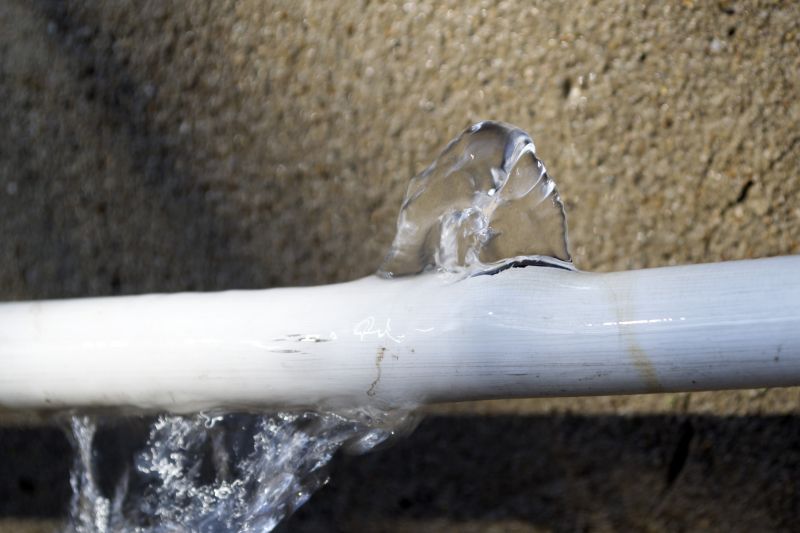
Visible water stains, mold growth, or musty odors may indicate pipe leaks in denver homes.
Common Causes Of Leaks
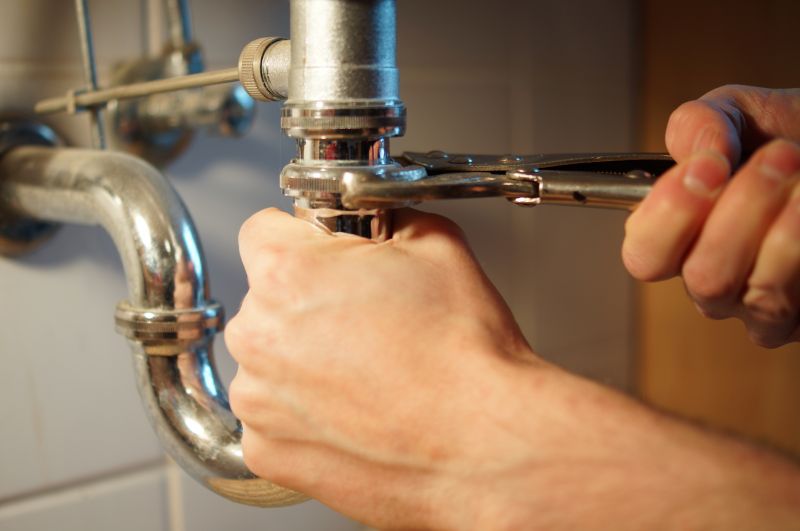
Corrosion, frozen pipes, and high water pressure are frequent reasons for pipe leaks in residential properties.
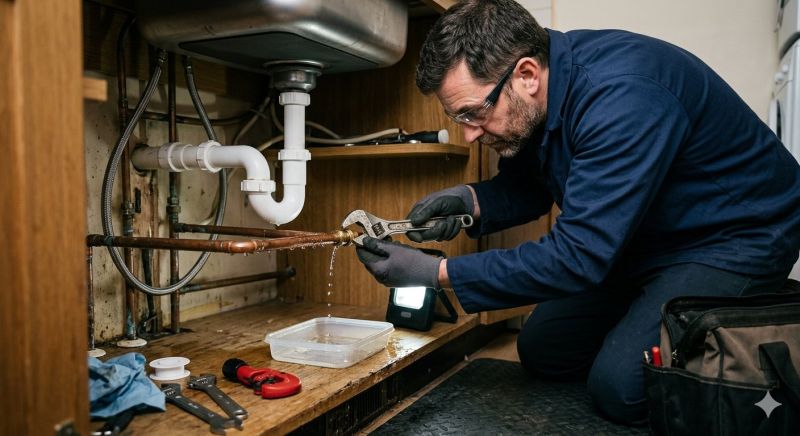
Repair Options Available
Leak repair methods include pipe patching, replacement, and sealing to restore plumbing integrity efficiently.
Leaky Pipe Repair in Denver, CO
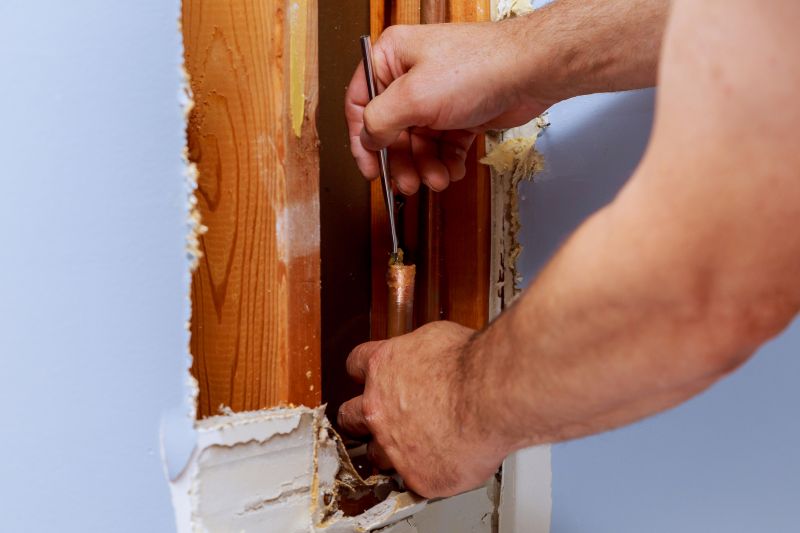
Leaky pipe repair services address issues related to damaged or compromised plumbing pipes within a property. These services cover a range of projects, including fixing leaks caused by corrosion, cracks, or loose fittings, as well as repairing burst or frozen pipes. Homeowners often seek this service to prevent water damage, reduce water waste, and restore proper plumbing function. Understanding the location of the leak, the extent of the damage, and the type of pipe material involved can help property owners make informed decisions before requesting repairs.
Before requesting leaky pipe repair, property owners typically want to know how the issue was identified, whether the repair involves replacing sections of pipe or sealing leaks, and if the work will affect other plumbing components. It’s also helpful to understand the potential causes of the leak, such as shifting foundations or high water pressure, to prevent future problems. Clear communication about the scope of the repair and any necessary follow-up steps can ensure the property’s plumbing system remains reliable and efficient.
Many property owners in Denver, CO look into Leaky Pipe Repair for repairs, replacements, upgrades, and appearance-related improvements.
Common Leaky Pipe Repair Jobs
Leak Detection - pinpointing the exact location of leaking pipes to prevent further damage.
Pipe Repair - fixing or replacing damaged sections of leaking plumbing systems.
Pipe Replacement - removing old or severely damaged pipes to restore system integrity.
Emergency Leak Repair - addressing urgent pipe leaks to minimize water damage.
Underground Pipe Repair - repairing pipes hidden beneath foundations or landscaping.
Leak Prevention - implementing measures to reduce the risk of future pipe leaks.
Leaky Pipe Repair Questions
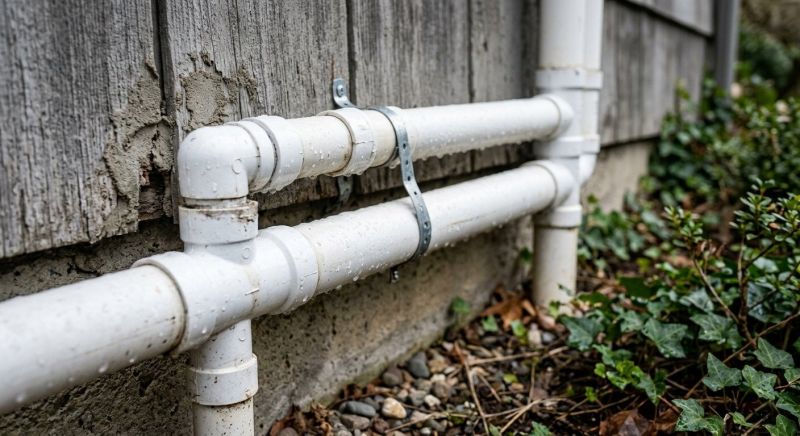
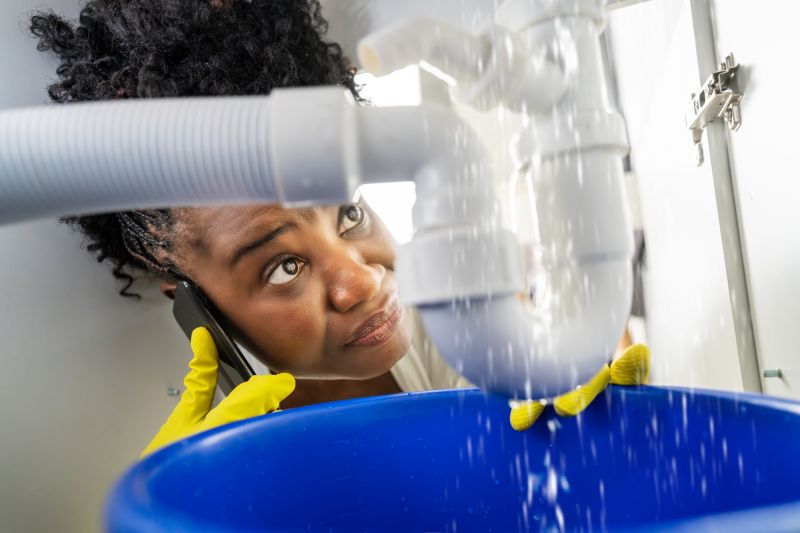
What causes pipes to leak? Leaks can result from age, corrosion, freezing, or sudden impacts that damage the pipe material.
How can I tell if a pipe is leaking? Signs include water spots, increased water bills, low water pressure, or visible drips and pooling water.
What types of pipes are commonly repaired? Copper, PVC, and PEX pipes are frequently repaired or replaced when leaks occur.
Is leak repair necessary for minor drips? Yes, even small leaks should be addressed promptly to prevent further damage and water waste.
Request Leaky Pipe Repair in Denver, CO
Use the quote form on this page to share the basics of your project and request more information for the type of work you need.