The Most Common Septic Problems Homeowners Face
Homeowners facing common septic problems often need septic replacement or repair, and local contractors can help resolve issues efficiently and effectively.
Homeowners who rely on septic systems often encounter common issues that can disrupt daily routines and lead to costly repairs if left unaddressed. Understanding these typical septic problems helps property owners recognize early warning signs and take proactive steps to maintain their systems. Whether it’s slow drainage, foul odors, or backups, these concerns are familiar and manageable with the help of experienced local contractors who specialize in septic repair and replacement services.
Exploring the most common septic problems is especially relevant for property owners in areas where septic systems are a primary means of waste management. Regular maintenance and timely repairs can prevent small issues from escalating into major system failures. By staying informed and knowing when to seek professional assistance, homeowners can ensure their septic systems operate smoothly, avoiding unnecessary inconvenience and preserving the value of their property. Local service providers are available to help address these issues efficiently and effectively.
- Septic tank replacement - homeowners experiencing persistent backups or tank failure may need a full replacement, which local contractors approach by assessing tank condition and installing new systems.
- Septic tank repair - issues like leaks or clogs often require targeted repairs, with local service providers diagnosing problems and restoring proper function.
- Drain field replacement - if the drain field is failing due to saturated soil or system overload, local pros can evaluate and replace the affected area to prevent further issues.
- Pump replacement - malfunctioning or failing pumps can cause septic system backups, and local contractors handle diagnosing and installing new pumps as needed.
- Septic system inspection and diagnostics - identifying the root cause of common septic problems often involves thorough inspections by local service providers to determine if repair or replacement is necessary.
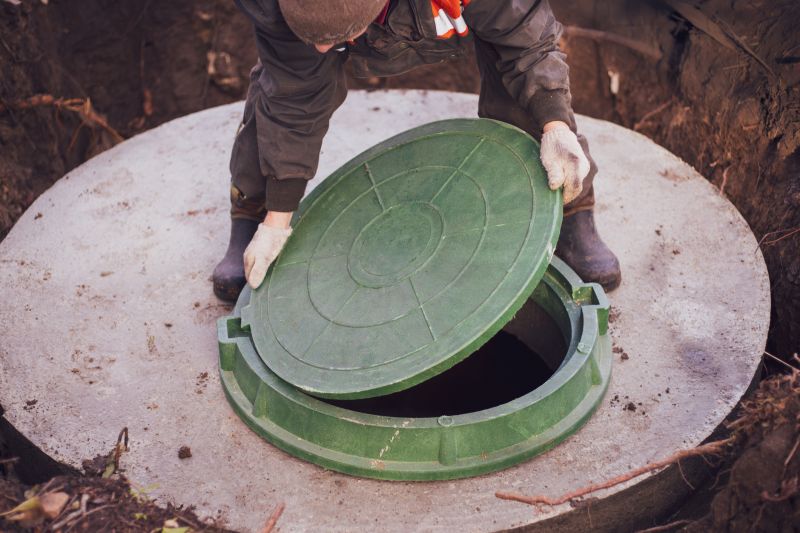
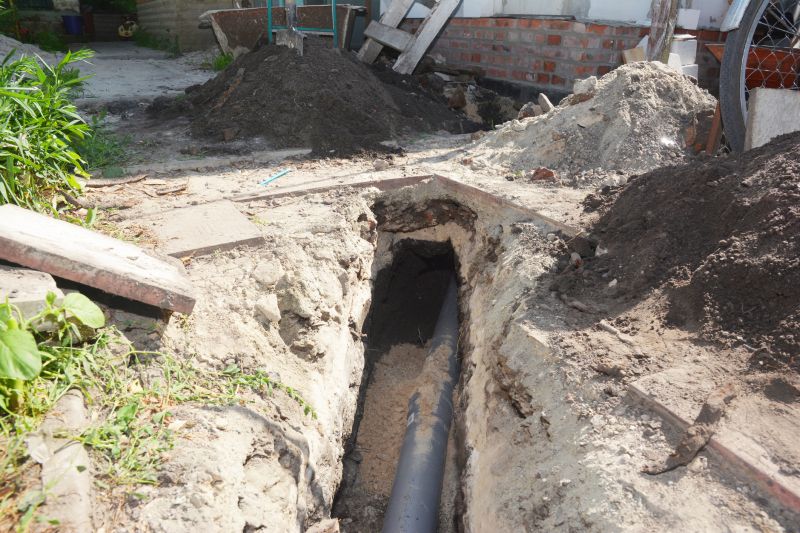
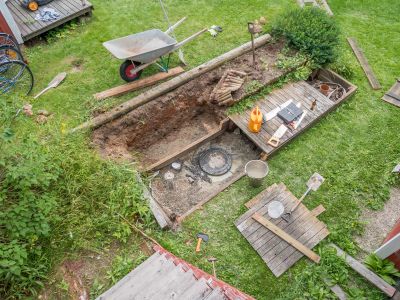
Understanding the most common septic problems homeowners face is key to maintaining a healthy and functional septic system. When people search for this topic, they are usually looking for information about issues that can disrupt their home’s wastewater management, cause unpleasant odors, or lead to costly repairs. These problems often stem from system neglect, improper usage, or aging components. Homeowners may be concerned about how to identify early signs of trouble, what causes these issues, and when to seek professional help to prevent more extensive damage. Recognizing these common problems helps homeowners plan for repairs or replacements and ensures their property remains safe and operational.
Septic system issues typically relate to a variety of problems such as backups, slow drains, or foul smells. These symptoms often indicate underlying issues like clogged pipes, failing drain fields, or tank overflows. In some cases, homeowners may discover that their system is not functioning efficiently due to poor maintenance or improper waste disposal. Septic plans that address these problems often involve repairs to damaged components or complete replacement of aging tanks and drain fields. Local service providers who specialize in septic repair and replacement can assess the system’s condition, diagnose the root cause, and recommend appropriate solutions to restore proper function.
The types of properties affected by common septic problems vary widely but generally include rural homes, small farms, and properties outside municipal sewer districts. These properties rely solely on septic systems for wastewater treatment, making them more vulnerable to issues caused by system age, soil conditions, or overuse. Additionally, properties with larger households or those that have experienced heavy rainfall or flooding may face increased stress on their septic systems, leading to more frequent problems. Understanding the property’s specific needs helps homeowners work with local contractors to develop plans for repair or replacement that suit their property size, usage patterns, and soil conditions.
For homeowners dealing with septic problems, connecting with experienced local service providers is essential. These professionals can handle everything from diagnosing minor issues to performing complete system replacements. Many common septic problems require prompt attention to prevent further damage, such as contaminated groundwater or structural damage to the property. Working with local contractors ensures the work is tailored to the specific system and property conditions, providing peace of mind that repairs or replacements will be completed properly. Ultimately, understanding the most common septic problems helps homeowners take proactive steps to maintain their systems and avoid more serious issues down the line.
Drain field installation - professionals experienced in installing and repairing drain fields can help resolve issues caused by septic system failures and prevent future problems.
Pumping and maintenance services - regular septic tank pumping and maintenance are essential skills for local contractors addressing common septic system issues.
Septic tank replacement - replacing aging or damaged septic tanks requires planning and skills similar to those needed for repairing septic system components.
Leach field repair - repairing or replacing leach fields involves understanding soil conditions and system design, which aligns with septic repair expertise.
Pipe repair and replacement - fixing or replacing damaged underground pipes related to septic systems shares tools and planning approaches with septic repairs.
Soil testing and site assessment - evaluating soil conditions for septic system performance involves skills applicable to diagnosing and addressing common septic problems.
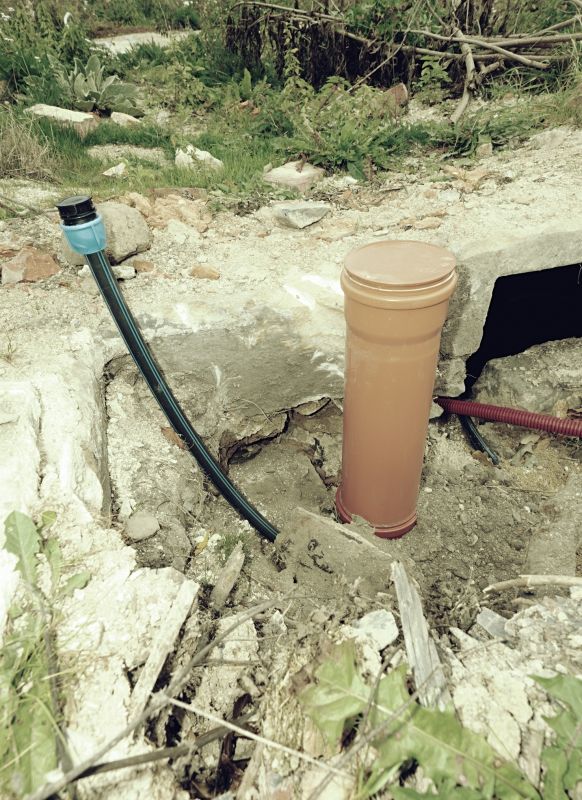
When comparing service providers for septic replacement or repair, it’s important to consider their experience with similar projects. Homeowners should inquire about how many jobs they have completed that involve the specific septic issues they are facing, such as drain field failures or tank malfunctions. A contractor with a history of handling projects like these is more likely to understand the common challenges and solutions, helping to ensure the work is performed efficiently and effectively. Reviewing the types of systems they have worked on can provide insight into their familiarity with different septic setups and the complexities that may arise.
Clear written expectations are essential when evaluating local contractors. Homeowners should seek detailed descriptions of the scope of work, including what is included and what might be considered additional. This clarity helps prevent misunderstandings and ensures that both parties are aligned on the project’s goals. Reputable service providers often provide written estimates or proposals that outline the work, materials, and any warranties or guarantees offered. Having these details in writing can serve as a reference throughout the project and assist in comparing the professionalism and transparency of different contractors.
Good communication and reputable references are key factors in selecting the right septic service provider. Homeowners should ask for references from previous clients who had similar work done, especially those involving common septic problems. Talking to past customers can reveal insights into the contractor’s reliability, responsiveness, and quality of work. Additionally, a contractor’s willingness to answer questions and provide ongoing updates throughout the project indicates a commitment to clear communication. Choosing a service provider known for transparency and professionalism can help ensure that the project proceeds smoothly and that any issues are addressed promptly.
Property owners often search for the most common septic problems homeowners face when they are planning practical projects around their homes and businesses. Local pros provide Septic Replacement or Repair services for everyday jobs and straightforward project options.
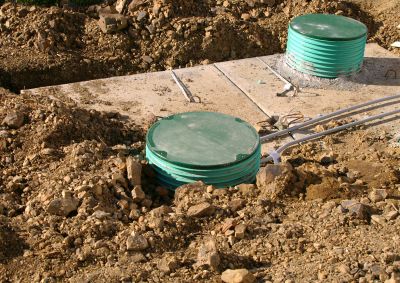
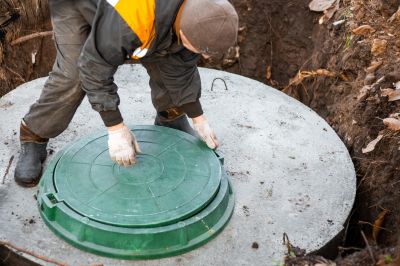
Homeowners in the area often encounter common septic problems that can disrupt daily routines and require prompt attention. Issues such as slow-draining sinks, foul odors, or occasional backups are typical signs that the septic system may need repair or replacement. Many property owners look up this topic after experiencing these symptoms, seeking guidance on how to address the problem efficiently. Local contractors specializing in septic services can assess the situation, diagnose the root cause, and recommend appropriate solutions to restore proper function.
In addition to these everyday issues, more serious problems like sewage surfacing in the yard or persistent clogging can indicate underlying septic system failures. Such situations often prompt homeowners to search for professional help to prevent further damage or environmental concerns. Local service providers are equipped to handle repairs or replacements, ensuring the septic system operates reliably. Connecting with experienced contractors can help property owners find the right solutions to keep their systems running smoothly and avoid costly future repairs.
What are common signs of septic system failure? Signs include persistent odors, slow drains, sewage backups, and pooling water near the septic tank or drain field. Local contractors can assess these issues and recommend repairs or replacements to restore proper function.
Why does my septic system keep clogging? Frequent clogs may result from excessive solids, improper waste disposal, or a failing drain field. Experienced service providers can diagnose the cause and perform necessary repairs to prevent recurring problems.
How can I tell if my septic tank needs to be replaced? Indicators include frequent backups, foul odors, standing water, or the tank being over its recommended lifespan. Local septic specialists can evaluate the condition and advise on replacement options if needed.
What causes septic system odors to develop? Odors often stem from leaks, inadequate ventilation, or a failing tank. Professional service providers can identify the source and implement repairs to eliminate unpleasant smells.
What are the typical repairs for septic system problems? Repairs may involve fixing leaks, replacing damaged components, or rehabilitating the drain field. Local contractors can perform these repairs to help maintain a healthy septic system.
Clogged or Backed-Up Septic Systems - Homeowners can work with local contractors to identify causes of clogs and schedule necessary repairs or replacements to restore proper flow.
Leaking or Damaged Septic Tanks - Property owners may opt for professional inspections and repairs to address leaks or cracks before they lead to more serious issues.
Slow Drains and Foul Odors - Local service providers can diagnose and resolve drainage problems or septic failures that cause unpleasant smells and slow water flow.
Overloaded or Inefficient Septic Drain Fields - Homeowners might consider septic system upgrades or repairs to improve drainage capacity and prevent system failure.
If you are thinking about the most common septic problems homeowners face for a property, this guide is meant to help you understand this topic, the typical project types, and how different options might fit your plans.
When you are ready, you can use the quote form on this page to share a few details about your project. From there, local pros can review the basics and follow up with options that match what you have in mind.